
Why Emerging Markets Are Attracting Greater Global Attention
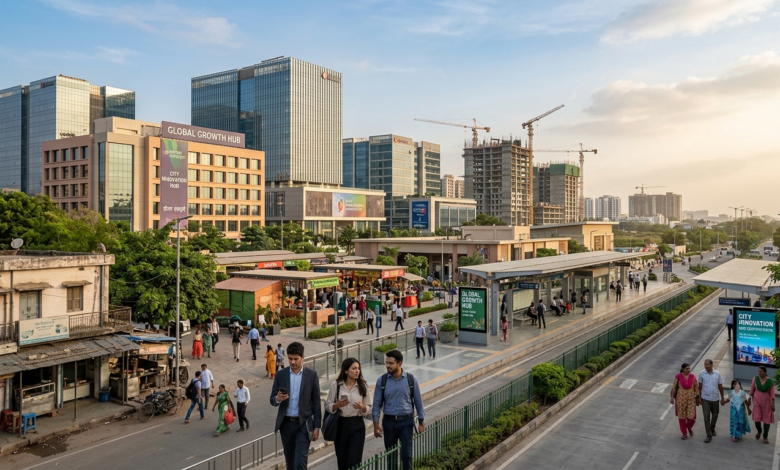
For decades, the global economy was anchored primarily by established powerhouses in North America, Western Europe, and East Asia. Today, a subtle yet profound shift is underway. Investors, multinational corporations, and policymakers are increasingly turning their eyes toward developing regions that are experiencing rapid growth, rapid urbanization, and a wave of technological innovation.
These dynamic regions—collectively known as emerging markets—are no longer merely providers of cheap labor or raw resources. Instead, they are rapidly transforming into vibrant consumer hubs, manufacturing centers, and global engines of economic growth.
Understanding why emerging markets are capturing such intense global interest requires looking at the demographic shifts, digital developments, and structural changes reshaping these economies.
Defining Emerging Markets: How They Differ from Developed Economies
An emerging market is an economy transitioning from a low-income, developing status toward a modern, industrialized economy. While they have not yet achieved the mature financial institutions, high per-capita incomes, and stable regulatory frameworks of developed nations like the United States, Japan, or Germany, they share key traits that set them apart:
-
Higher GDP Growth Rates: Emerging economies often expand at significantly faster annual rates than mature, saturated economies.
-
Rapid Urbanization: Millions of citizens are migrating from rural, agricultural settings to bustling urban centers each year.
-
Evolving Financial Systems: Capital markets, banking systems, and regulatory structures are actively maturing, making international trade and investment easier over time.
-
Socioeconomic Mobility: Millions of households are rising out of poverty annually, forming a expanding class of active consumer spenders.
Prominent examples include major nations across Asia (such as India, Indonesia, and Vietnam), Latin America (including Brazil and Mexico), and Africa (such as Nigeria, Kenya, and South Africa).
Core Drivers behind the Global Attention
The surge of interest in emerging markets isn’t coincidental—it is driven by several intersecting factors that offer clear advantages for global businesses.
1. Expanding Consumer Markets and Demographics
While many developed countries face aging populations and declining birth rates, many emerging nations feature young, working-age demographics. This demographic dividend creates a dual benefit: a resilient workforce and an expanding base of consumers.
As household incomes rise, consumer spending shifts away from basic necessities toward discretionary goods and services. Demand is surging for items such as smartphones, personal vehicles, healthcare, financial planning, and travel. According to long-term projections by the Brookings Institution and the World Bank, the majority of the global middle class will reside in developing Asia by 2030, representing a massive shift in consumer power.
2. Rapid Technology Adoption and Leapfrogging
Unlike mature economies burdened by legacy infrastructure, emerging markets often bypass older technology altogether—a phenomenon known as “leapfrogging.”
For instance, many developing nations skipped fixed-line telephone infrastructure entirely, moving straight to 4G and 5G mobile networks. Similarly, countries like Kenya and India pioneered widespread digital payment networks and mobile banking ecosystems, providing millions of unbanked citizens access to financial services in record time.
This digital-first environment makes emerging markets prime grounds for e-commerce growth, fintech startups, and digital enterprise models.
3. Supply Chain Realignment and Manufacturing Resilience
Global supply chain disruptions in recent years have forced corporations to diversify their operations away from single-source manufacturing hubs. This strategy—often referred to as “China Plus One” or “nearshoring”—has funneled massive capital investments into alternate developing destinations:
-
Southeast Asia: Nations like Vietnam, Thailand, and Malaysia have seen record inflows of electronics and textile manufacturing.
-
Latin America: Mexico has benefited heavily from nearshoring trends, becoming a leading trade partner to North American businesses seeking shorter, more resilient supply lines.
-
South Asia: India has attracted heavy manufacturing investments across pharmaceuticals, automotive components, and consumer electronics.
4. Major Infrastructure and Urban Development
Governments across emerging markets are pouring significant resources into public works, power grids, logistics ports, and transit networks. Substantial infrastructure initiatives, often supported by international development organizations or cross-border partnerships, are steadily lowering the cost of doing business and opening up previously isolated regional markets.
Regional Snapshots: Emerging Markets on the World Stage
While these economies are often discussed as a group, each region brings unique strengths and opportunities to the global stage:
-
Asia: Led by giant economies like India and high-growth ASEAN nations, Asia remains the world’s fastest-growing economic zone, distinguished by manufacturing, software development, and massive domestic retail markets.
-
Latin America: Blessed with rich natural reserves, agricultural strength, and proximity to North America, countries like Brazil, Mexico, and Chile are becoming central players in green technology supply chains, lithium mining, and renewable energy.
-
Africa: Home to the world’s youngest population, Africa presents long-term potential. Initiatives like the African Continental Free Trade Area (AfCFTA) aim to create a unified market of over 1.3 billion people, streamlining intra-continental commerce and attracting strategic investment.
Strategic Opportunities for Investors and Companies
For global enterprises and institutional investors, entering these dynamic economies brings clear strategic benefits:
-
Portfolio Diversification: Investing across varying economic cycles reduces dependency on stagnant growth in mature home markets.
-
First-Mover Advantage: Establishing brand loyalty early in developing sectors creates deep market presence as the local economy scales.
-
Cost Efficiency: Lower operational, development, and labor costs allow businesses to build efficient regional bases.
Major Risks and Challenges to Consider
While the upside is compelling, expanding into or investing in emerging markets carries distinct risks that demand careful risk management:
-
Political and Policy Volatility: Unexpected policy reversals, sudden regulatory adjustments, or political instability can disrupt business models overnight.
-
Currency Fluctuations and Inflation: Local currency devaluations and unpredictable inflation rates can quickly erode real profit margins when converting earnings back into foreign currencies.
-
Regulatory Complexity: Navigating unfamiliar legal frameworks, bureaucracy, and intellectual property enforcement can present operational friction.
-
Infrastructure and Logistics Gaps: While improving, logistics networks and power grids in developing zones may still suffer from regional bottlenecks or unreliability.
What Businesses Need to Succeed in Emerging Economies
Navigating these growth environments requires a tailored strategy rather than simply applying models used in home countries. Successful international operators focus on three foundational principles:
-
Localize Products and Services: Adapt products to local tastes, price points, and cultural preferences rather than assuming one size fits all.
-
Build Local Strategic Partnerships: Work alongside local joint-venture partners, distributors, or community leaders who thoroughly understand regional regulatory landscapes and consumer norms.
-
Adopt a Long-Term Horizon: Short-term market volatility is common in developing economies. Success generally belongs to organizations committed to building long-term local value.
The Outlook for Emerging Markets
The growing role of emerging markets is a long-term structural trend in global trade. As technological access expands, education levels rise, and global trade networks adapt, these nations will continue to claim a larger share of global gross domestic product.
While navigating these regions requires patience and risk management, their combined economic energy, demographic momentum, and innovative drive make them impossible for global leaders to ignore. Businesses, investors, and policymakers who thoughtfully engage with emerging markets today will be best positioned to help shape—and benefit from—the global economic landscape of tomorrow.